
Tyre Pyrolysis in Europe
- Home
- Tyre Pyrolysis in Europe
Tyre Pyrolysis in Europe
Process, Products, and Role in the Circular Economy
Tyre pyrolysis is becoming a key solution for managing end-of-life tyres in Europe. As landfill restrictions tighten and industries look for sustainable raw materials, pyrolysis offers a responsible way to convert waste tyres into valuable industrial resources.
At Gravita Europe, tyre pyrolysis is part of an integrated tyre recycling approach that focuses on material recovery, environmental compliance, and circular manufacturing.
What Is Tyre Pyrolysis?
Tyre pyrolysis is a thermal recycling process in which end-of-life tyres are heated in a controlled, oxygen-free environment. Without oxygen, tyres do not burn. Instead, the material breaks down into reusable components such as carbon-rich solids, oil, steel, and gas.
This process is fundamentally different from incineration. Pyrolysis is designed to recover materials rather than destroy them.
Why Tyre Pyrolysis Matters in Europe
Europe generates large volumes of used tyres every year, while regulations increasingly restrict landfill disposal and uncontrolled treatment. Tyre pyrolysis addresses both challenges.
By converting waste tyres into reusable raw materials, pyrolysis supports:
Compliance with European environmental regulations
Reduction of landfill and illegal dumping
Circular use of materials in industrial supply chains
How the Tyre Pyrolysis Process Works
At Gravita Europe, tyre pyrolysis follows a controlled and enclosed process designed for safe and consistent operation.
Process overview:
End-of-life tyres are collected and prepared for processing
Tyres are fed into sealed reactors under oxygen-free conditions
Controlled heat causes thermal decomposition of the tyre material
Solid, liquid, and gaseous fractions are separated and recovered
Recovered materials are refined and quality-checked
Each stage is monitored to ensure stable operation and consistent output quality.
Materials Recovered from Tyre Pyrolysis
Tyre pyrolysis produces multiple valuable materials that are reused across industries.
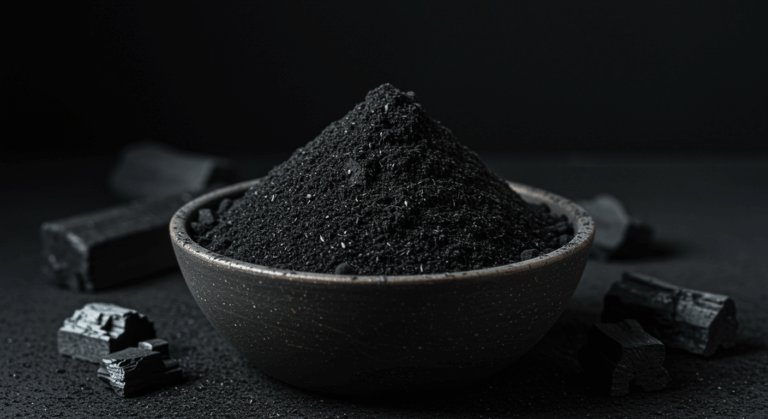
Recovered Carbon Black
Recovered carbon black is a carbon-rich solid material obtained after pyrolysis and further processing. It is used as a functional filler and pigment in several industrial applications.
Common applications include:
- Rubber products
- Plastic compounds
- Construction and infrastructure materials
Recovered carbon black helps reduce reliance on virgin carbon black and supports circular manufacturing.
Tyre Pyrolysis Oil
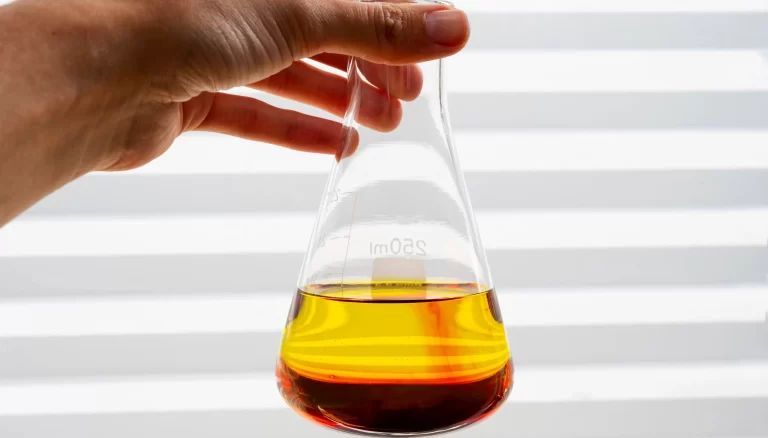
Tyre pyrolysis oil is a liquid fraction produced during thermal decomposition. It is used primarily as an industrial fuel or alternative energy feedstock.
Using tyre-derived oil improves resource efficiency and reduces dependence on conventional fossil fuels.
Environmental and Safety Considerations
Modern tyre pyrolysis plants operate under strict environmental and safety controls. The process uses sealed systems, controlled temperatures, and emission management technologies to ensure compliance with European standards.
When operated responsibly, tyre pyrolysis reduces environmental impact compared to landfilling or uncontrolled disposal.
Tyre Pyrolysis and the Circular Economy
Tyre pyrolysis plays an important role in Europe’s circular economy by converting waste into reusable resources. Materials recovered from tyres re-enter manufacturing cycles, reducing the need for virgin raw materials and lowering overall environmental footprint.
This approach supports sustainable production while improving long-term resource security.
How Tyre Pyrolysis Compares to Other Tyre Disposal Methods
| Method | Environmental Impact | Material Recovery |
|---|---|---|
| Landfilling | High | None |
| Incineration | High emissions | Limited |
| Pyrolysis | Controlled | High |
Tyre pyrolysis offers clear advantages by focusing on material recovery and resource efficiency.
Gravita Europe’s Approach to Tyre Pyrolysis
At Gravita Europe, tyre pyrolysis is implemented as part of a broader commitment to responsible recycling and sustainable materials. The focus is on process control, material quality, and compliance with European environmental expectations.
Recovered materials are positioned as industrial inputs rather than waste by-products.
Closing the Loop
Tyre pyrolysis is no longer just a waste treatment solution. It is an essential part of Europe’s move toward sustainable manufacturing and circular resource use.
By converting end-of-life tyres into valuable raw materials, tyre pyrolysis supports environmental responsibility while meeting the needs of modern industry.